


Maybe 33 years ago you were figuring out your first computer. Maybe you were a newborn. Chances are you’re a lot different today than you were back then. Let’s be honest, a lot changes in 33 years. No one knows this better than Donny Andrews. Andrews was incarcerated for 33 years and found a new world when he was released. Getting out of prison meant starting an entirely different kind of life and learning everyday basics like how to navigate a grocery store and use a smartphone. Denver Dream Center helped him do this.
Supporting men and women as they move on after incarceration, homelessness, or gang life is why the Dream Center exists.
“See A Need Then Meet The Need”
More than 34,000 Denver metro residents currently are experiencing homelessness, and about 9% of those are families, according to the Colorado Homeless Management Information System. People who have been incarcerated are significantly more likely to become homeless or to return to criminal activity—and prison—creating a perpetuating cycle.
Colorado Coalition for the Homeless notes that people who’ve been to prison are seven times more likely to experience homelessness than the general population, and those who’ve been to prison multiple times are 13 times more likely to experience homelessness.
Among Denver’s youth, roughly 50% have spent time in juvenile detention, jail, or prison. As more young people become involved in violent crime, the interconnected cycles of incarceration and homelessness are likely to continue expanding.
Denver Dream Center works at the intersection of these issues, providing support and resources that help build stability for individuals and communities. It was founded by Bryan “Pastor B” Sederwall, who moved to Denver in 2006 and jumped in to help inmates and ex-offenders rebuild their lives. In 2014, he expanded his mission to address the needs of kids and families, and that year Denver Dream Center was born. The organization now offers a range of services and resources to 50,000 Denver residents annually, in hopes of helping them refocus on their lives, improve their self-image, and find community.
How The Center Helps
As Denver Dream Center has grown, Sederwall and his team have found greater need and expanded offerings to address the organization’s target issues from various angles. In the challenging days of the COVID crisis, for instance, the Dream Center distributed close to 4 million pounds of food to about 300,000 people.
The organization currently offers the following programs:
- Adopt-a-Block, occurs two Saturdays each month, where the organization serves food, distributes donations, and brings games and fun to community building.
- Dream Closet and Pantry, a program that collects and distributes clothing, household items, and food to those in need.
- Families in Transition, wherein Dream Center provides “spiritual, emotional, educational, and financial” support to families to help them achieve and maintain stability.
- Positive Pathways, a program through which Dream Center partners with other local organizations to prevent violence by helping young residents find positive solutions to challenges.
- Street Team, in conjunction with City of Denver, assists residents who are homeless meet their immediate and long-term needs “with love, compassion, food, water, resources, and prayer.”
- Thrive, a re-entry and recovery program that provides a support system and education to men and women finding new life after prison. Thrive focuses on helping residents shift their identity through character-development courses.
- Youth Sports, which addresses a rise in violent crime among youth, provides positive activities and community for middle and high school students who might otherwise fill time with risky behavior like substance abuse and gang activity.
How To Help
Denver Dream Center relies on volunteers—many but not all of whom have taken part in its programs—to show more people that their mistakes don’t define them and can instead be “defining moments that lead to a new life.” Making that shift depends on community, according to the Dream Center website: “When you’re alone and the odds are against you, it’s almost impossible to rebuild your life.”
If you’d like to become part of the community helping others rebuild, you can volunteer with a specific Denver Dream Center program, or choose a different way to support the organization:
- Donate cash or stock directly to Denver Dream Center as a one-time or recurring gift.
- Give food, clothing or household items to the Dream Center pantry.
- Buy items from one of the organization’s wish lists, which include administrative items, hygiene products, sports equipment, and more.
- Adopt a family to receive a wish list or choose a different way support the Dream Center’s Hope for the Holidays campaign, like volunteering at an event.
Denver Dream Center currently is planning a new headquarters to keep up with its growth over the past few years and to continue helping more Denver residents develop stable foundations and strong communities. Keep an eye out for big changes as the organization continues to grow its impact.
Related Blogs
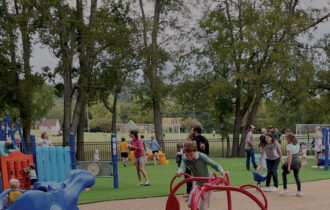
Miles for Miles Helps People With Intellectual and Developmental Disabilities Thrive
Miles Peck loves school as much for the chance to spend time with his friends as for the classroom experience. He is bracing his ...
Read More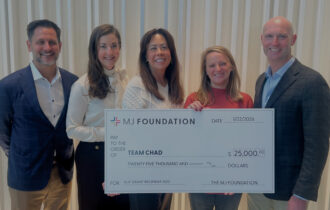
The MJ Foundation Awards $55,000 to Nashville Nonprofits Team Chad, Pathways Kitchen, and UpRise Nashville
NASHVILLE (Jan. 26, 2026) – The MJ Charitable Foundation (the MJ Foundation) has made major gifts to three Nashville nonprofits as part of its ...
Read More
Indiana Wish Brings “Hope in the Midst of Hardship”
For Melissa, a young woman with obstructive hydrocephalus, getting to work with a veterinarian at the Indianapolis Zoo, ride horses at Blue Ridge Farm, ...
Read More
The MJ Foundation Awards Record Grant Funding to Nonprofits in Indianapolis, Phoenix, Denver, and Nashville
INDIANAPOLIS (Jan. 12, 2026) – The MJ Charitable Foundation (the MJ Foundation), has awarded grants to nonprofits in the Indianapolis, Phoenix, Denver and Nashville ...
Read More
Empowering Nashvillians to Break Out of the Cycle of Poverty
Nashville is a thriving city, with 21% population growth and more than 30% job growth over the past decade. This remarkable expansion is one of the many reasons ...
Read More
Chrysalis: Helping Victims Break Free From Domestic Abuse
What does domestic violence really look like? It starts subtly—a partner’s jealousy and possessiveness isolate you from friends and family. Their controlling behaviors, from ...
Read More